
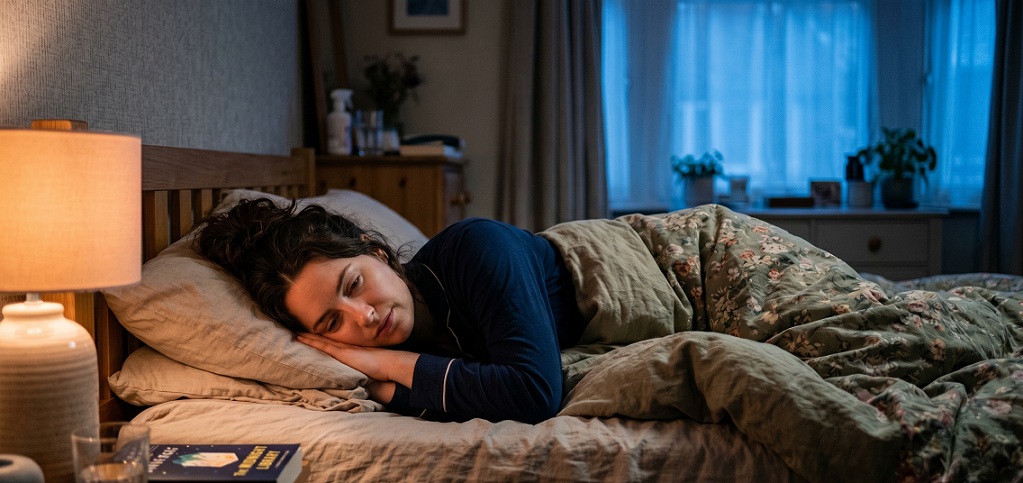

Achieving high-quality nighttime rest can be incredibly difficult when dealing with a hectic daily routine. When standard lifestyle adjustments fail to stop a persistent cycle of restless nights, looking into targeted sleep support options under proper clinical guidance becomes a practical step toward protecting your daytime productivity and focus. Short-term health aids are highly efficient at calming an overactive nervous system, helping to quiet physical tension and ease an overstimulated mind before bed. However, managing your care responsibly means understanding how these options work and maintaining strict safety boundaries. Health experts consistently recommend keeping usage windows brief typically between two to four weeks to break the cycle of sleeplessness without allowing your body to build up a dependency or tolerance to the support strategy. True long-term recovery depends on sourcing your information from verified, transparent health platforms and combining your approach with reliable evening habits. Establishing a screen-free wind-down routine 45 minutes before turning off the lamps gives your mind the signal it needs to settle into a deep, independent pattern of rest, ensuring you wake up feeling sharp and fully refreshed.