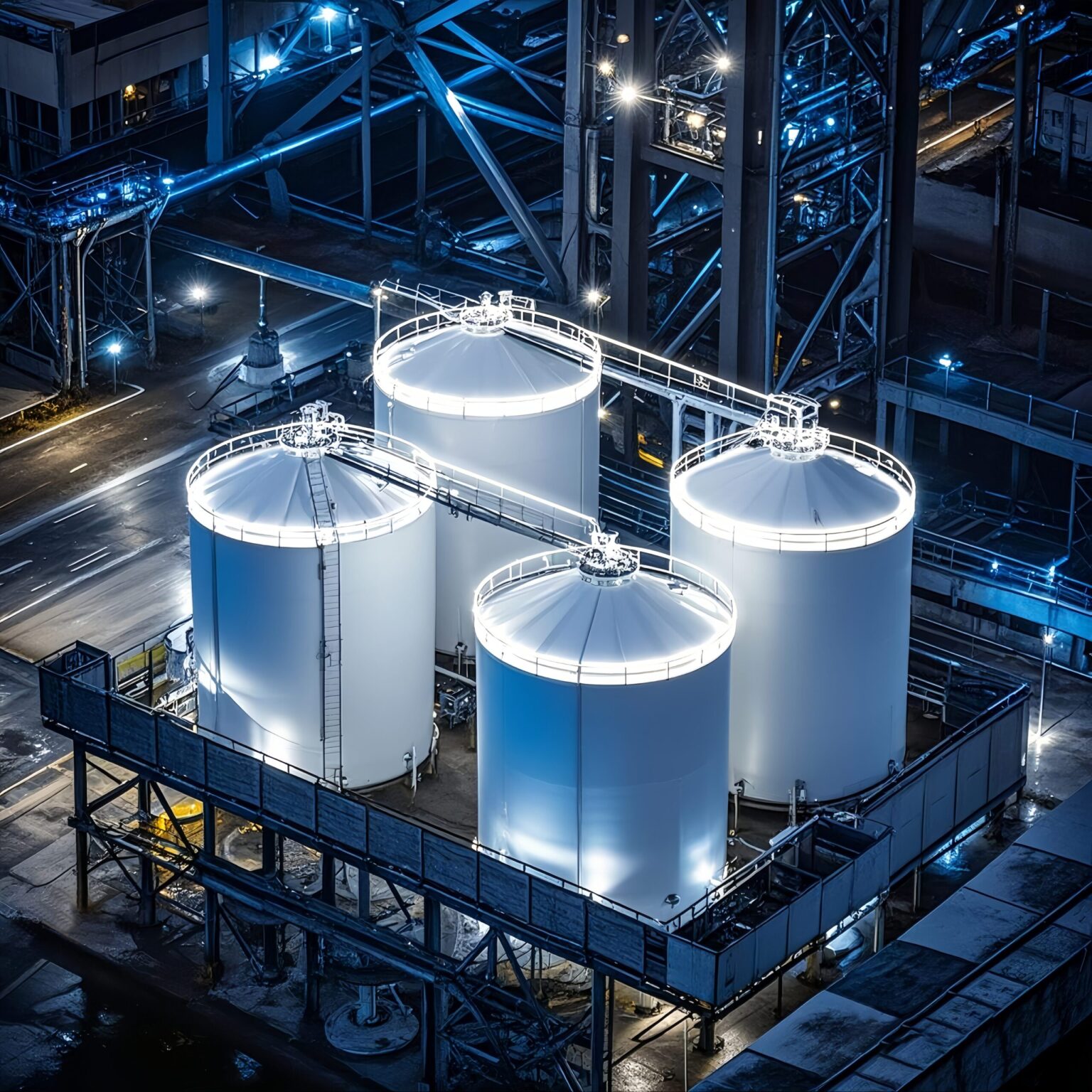

In industrial and commercial facilities where flammable gases, vapors, or combustible dust are present, ensuring safety is a top priority. Explosion proof lighting is specifically designed to operate safely in these hazardous environments by preventing ignition that could lead to fires or explosions. These lighting systems are essential for maintaining visibility while complying with strict safety regulations. Explosion proof lights are built with heavy-duty enclosures that contain sparks, heat, or internal explosions within the fixture itself. This design prevents any ignition source from escaping into the surrounding atmosphere. As a result, they are widely used in high-risk industries where standard lighting solutions are unsafe. Why Explosion Proof Lighting Is Essential Explosion proof lighting offers multiple advantages that go beyond basic illumination: Enhanced Safety: Prevents sparks or high temperatures from igniting flammable substances Regulatory Compliance: Meets international safety standards for hazardous locations Durability: Resistant to corrosion, moisture, dust, and extreme temperatures Energy Efficiency: LED-based options reduce power consumption and heat generation Low Maintenance: Long lifespan minimizes downtime and replacement costs Common Applications These lighting solutions are commonly installed in environments such as: Oil and gas refineries Chemical and petrochemical plants Mining operations Pharmaceutical manufacturing units Grain silos and food processing facilities Choosing the Right Explosion Proof Lighting Selecting the correct explosion proof lighting requires understanding hazardous area classifications and environmental conditions. Factors such as gas type, dust concentration, temperature rating, and zone classification must be considered. Proper installation and regular inspections further ensure optimal performance and safety. By investing in the right explosion proof lighting, organizations can enhance workplace safety, improve operational efficiency, and protect valuable assets in hazardous environments.