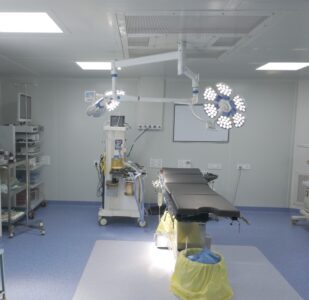
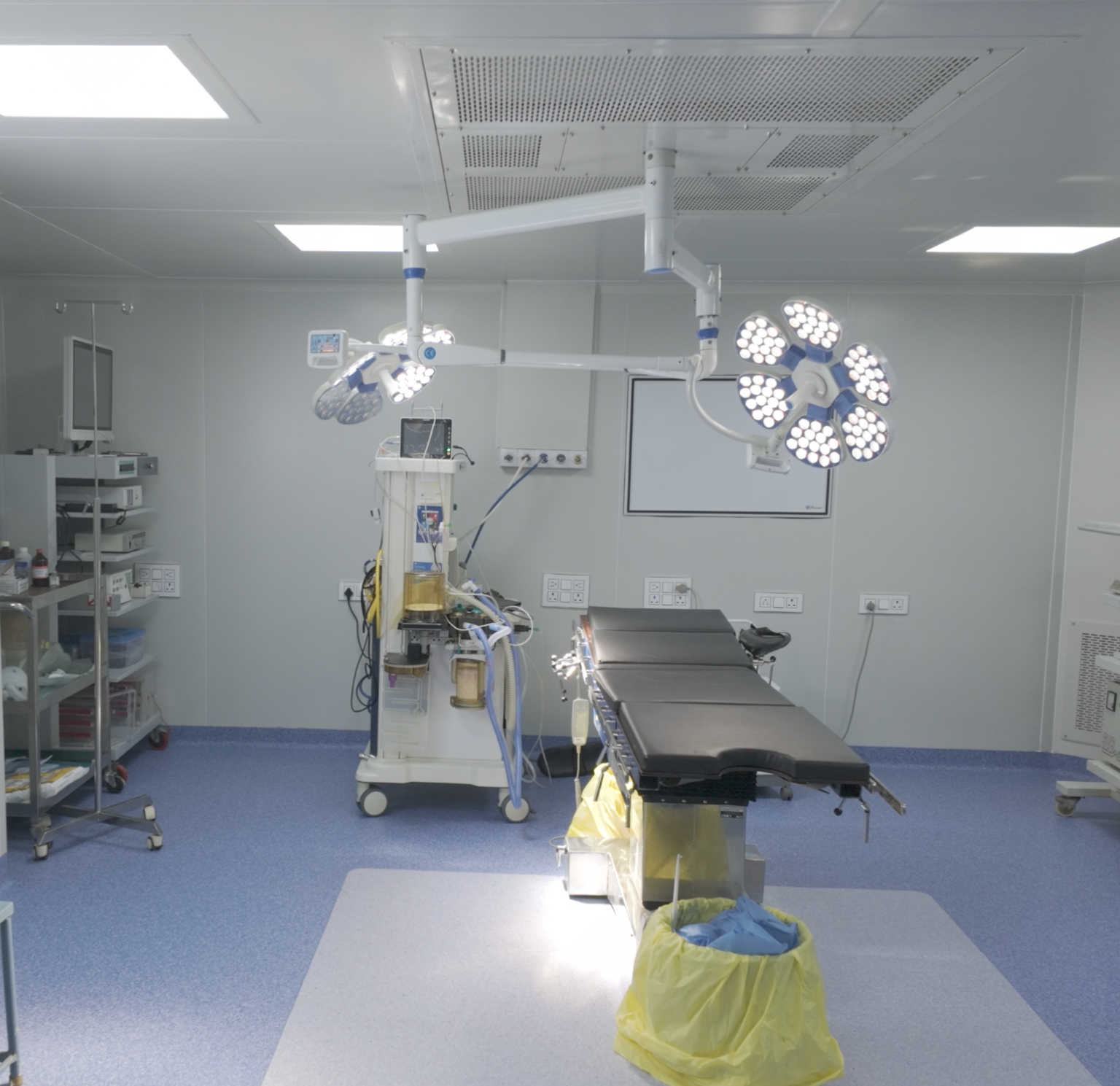

Modular OT Solutions in Bangalore provide hospitals, surgical centres, specialty clinics, and healthcare institutions with advanced infrastructure for developing hygienic, efficient, and controlled operation theatres. Modern surgical environments require precise planning of airflow, temperature, humidity, lighting, infection control, medical gases, electrical systems, and equipment placement. Modular operation theatre systems combine these requirements into a coordinated solution tailored to the facility’s needs. A modular OT can include specialized wall and ceiling panels, Laminar Air Flow, HEPA filtration, OT Light Systems, Surgeon Control Panels, Scrub Stations, medical gas systems, and stainless steel furniture. SS Cupboards offer organized storage, while SS Trolleys help move instruments and medical supplies efficiently. Doctor’s Stools, SS Stools, and Z Type Trolleys can also be incorporated according to workflow and space requirements. The use of suitable modular materials can provide smooth, durable surfaces that support routine cleaning and maintenance. Controlled airflow and filtration systems help manage airborne particles in critical surgical areas, while advanced OT lighting provides focused illumination for surgeons and medical teams. Properly planned equipment placement can improve accessibility, movement, and overall workflow inside the operating theatre. Customized Modular Operation Theatre Solutions can be planned according to room dimensions, surgical specialty, equipment requirements, workflow, and project specifications. Professional design, engineering, manufacturing, installation, testing, and commissioning help support dependable system performance. For healthcare facilities planning new operation theatres or upgrading existing surgical infrastructure, modular systems offer flexibility, organized functionality, and long-term value. With appropriate planning, quality components, and professional execution, Modular OT Solutions in Bangalore can support hygienic environments, efficient operations, easier maintenance, improved workflow, and future-ready healthcare infrastructure.